Salalah Khareef Season: The Same Monsoon That Brings Rain to Kerala Also Transforms Salalah in Oman
Nestled in the Dhofar Governorate of Oman, Salalah is often referred to as the “Kerala of Arabia.
The Same Monsoon That Brings Rain to Kerala Also Transforms Salalah in Oman
Nestled in the Dhofar Governorate of Oman, Salalah is often referred to as the “Kerala of Arabia.” With its lush greenery, rolling hills, cool climate, seasonal rains, and agricultural landscape, Salalah stands out as one of the Gulf region’s most unique destinations.
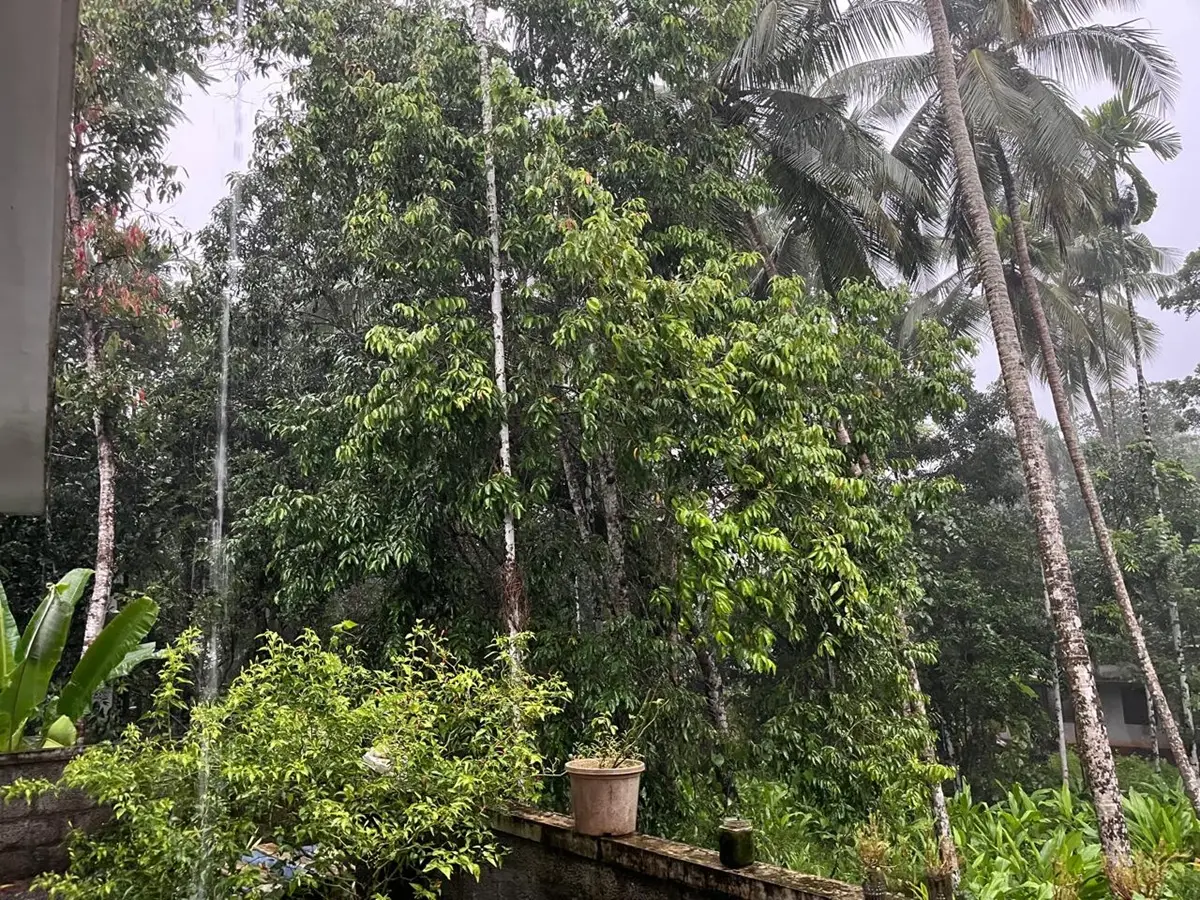
While most Gulf countries endure scorching summer temperatures from June to September, Salalah transforms into a misty green paradise with light rain and cool weather. This remarkable rainy season is locally known as Khareef.
وادي دربات 😍 pic.twitter.com/yP2KKvkP8v
— سياحتي في ظفار (صلالة/Salalah) (@My_tourism_Oman) July 9, 2026
The Legend of Cheraman Perumal and Salalah
Salalah also shares a legendary connection with Kerala’s history. According to popular belief, Cheraman Perumal, the legendary Kerala king who embraced Islam and journeyed to Arabia, died in Oman before he could return to Kerala. A local legend further suggests that Salalah’s Kerala-like landscape and climate emerged as the fulfillment of his final wish.
Does the Same Monsoon That Brings Rain to Kerala Also Reach Salalah?
The Southwest Monsoon, which brings rain to India from June to September, also extends westward to the Dhofar coast of Oman, including Salalah.
Just as Kerala’s rainfall is enhanced by the Western Ghats, Salalah benefits from the Dhofar Mountains, which force moisture-laden monsoon winds to rise, creating ideal conditions for mist, drizzle, and light rainfall. This is why Salalah remains green while much of Oman stays dry and desert-like.
How the Khareef Season Works
The Khareef season is powered by the Somali Jet, a powerful low-level monsoon wind that develops south of the Equator and sweeps across the Indian Ocean along the Somali coast toward Oman. This fast-moving air current supplies the moisture and energy required for the Khareef season.
Strong monsoon winds push away the warm surface waters of the Arabian Sea, allowing colder water from deeper layers to rise to the surface. This process is known as cold upwelling.
As a result, sea surface temperatures near Salalah fall to around 22–24°C, making the coastal waters significantly cooler than those elsewhere in the Gulf.
3. Thermal Inversion
When warm, moisture-laden air from the sea moves over the unusually cool ocean surface, it cools rapidly, forming dense fog and low clouds.
At the same time, warmer and drier air remains above the cooler surface layer. This atmospheric setup, known as thermal inversion, prevents clouds from growing vertically into towering thunderclouds.
Consequently, Salalah experiences persistent mist and light drizzle instead of the heavy thunderstorms and intense rainfall commonly seen in Kerala.
4. Orographic Effect of the Dhofar Mountains
As moisture-rich air and fog are forced upward by the Dhofar Mountains, the air cools further, producing continuous drizzle along the mountain slopes.
Within just a few weeks, the once-barren hillsides turn lush green. Waterfalls begin flowing, seasonal streams emerge, and agricultural activities flourish throughout the region.
Kerala and Salalah: The Same Monsoon, Two Different Experiences
Although both Kerala and Salalah are influenced by the Southwest Monsoon, the rainfall they receive is remarkably different.
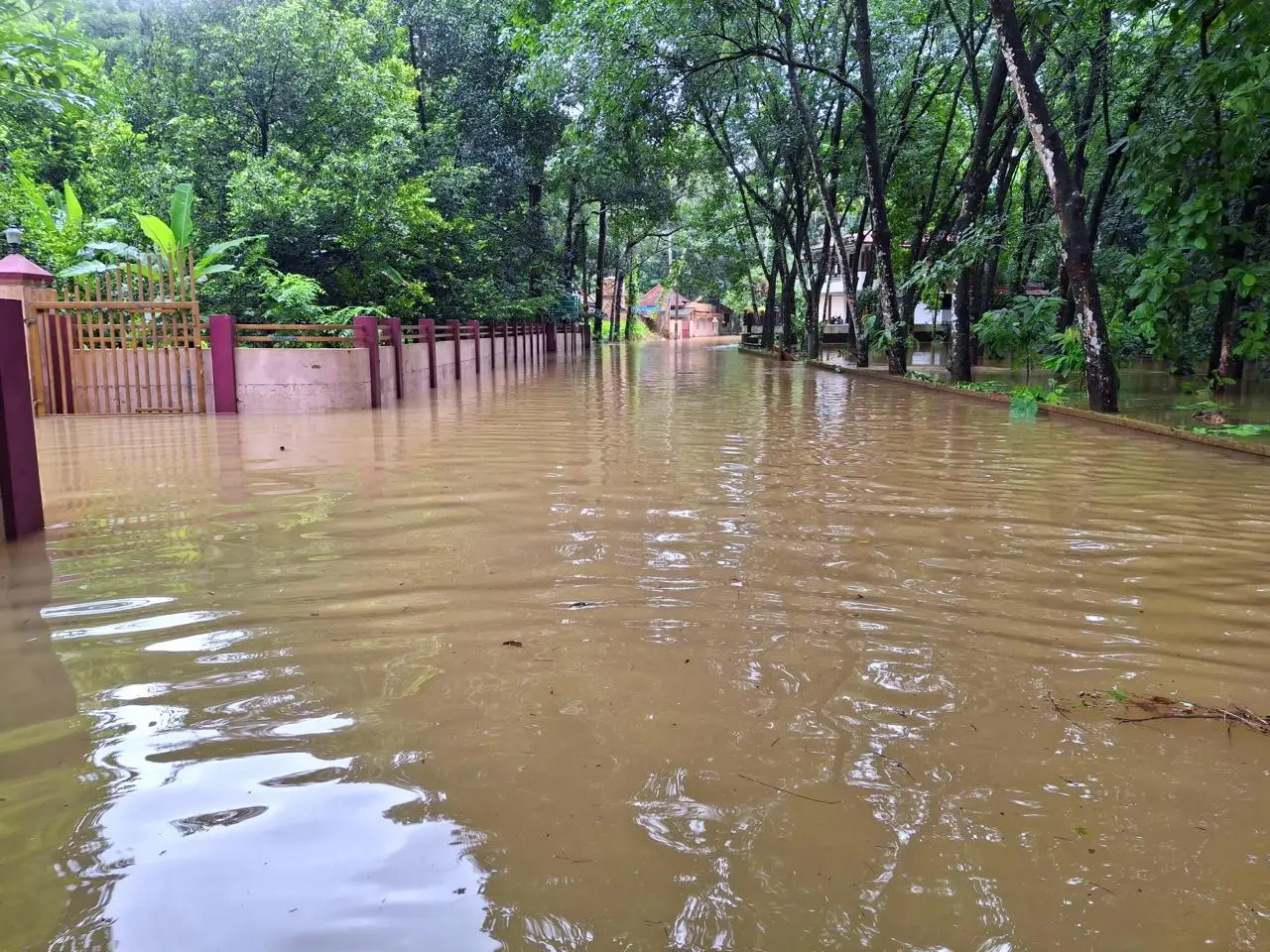
Kerala typically experiences heavy monsoon showers, thunderstorms, and, at times, flooding. In contrast, Salalah is known for prolonged periods of light drizzle, cool winds, and thick mist.
Temperatures in Salalah usually remain between 20°C and 25°C during the Khareef season, whereas Kerala often remains humid and warm even during breaks in the rain.
عين عان بوادي دربات 😍🇴🇲 pic.twitter.com/f6TZw8W8mO
— سياحتي في ظفار (صلالة/Salalah) (@My_tourism_Oman) July 10, 2026
A Summer Miracle in the Gulf
While temperatures across much of the Gulf regularly exceed 45°C during summer, Salalah offers a refreshing escape with green landscapes, cool weather, mist-covered mountains, and gentle rain.
This extraordinary seasonal transformation attracts hundreds of thousands of visitors every year, making the Khareef season one of the Middle East’s most celebrated natural phenomena.
ശബരിമല: ഭക്തര് ദര്ശന സമയത്തില് മാറ്റം വരുത്തണമെന്ന് ദേവസ്വം ബോര്ഡ്
തീവ്ര മഴയെ തുടര്ന്ന് പമ്പാ നദിയില് വെള്ളപൊക്കം ഉണ്ടായ പശ്ചാത്തലത്തില് നിറപുത്തരി ചടങ്ങുകള്ക്ക് ശബരിമല നട തുറക്കുന്ന ഓഗസ്റ്റ് 2, 3 തീയതികളില് ശബരിമല ദര്ശനം നടത്താന് തീരുമാനിച്ചിട്ടുള്ള ഭക്തര് കഴിവതും യാത്ര ഒഴിവാക്കണമെന്ന് തിരുവിതാംകൂര് ദേവസ്വം ബോര്ഡ് അറിയിച്ചു.
ഓഗസ്റ്റ് മാസത്തില് തന്നെ ചിങ്ങമാസ പൂജകള്ക്കായും (ഓഗസ്റ്റ് 16 മുതല് 21 വരെയും) ഓണത്തോട് അനുബന്ധിച്ച പൂജകള്ക്കായും (ഓഗസ്റ്റ് 24 മുതല് 28 വരെയും) ശബരിമല നട തുറക്കുന്നുണ്ട്. ഇത് ദര്ശനത്തിനായി ഭക്തര്ക്ക് തിരഞ്ഞെടുക്കാവുന്നതാണെന്നും ബോര്ഡ് പറഞ്ഞു. കനത്ത മഴ തുടരുന്നതിനാലും മണ്ണിടിച്ചില് സാധ്യതയുള്ളതിനാലുമാണ് തിരുവിതാംകൂര് ദേവസ്വം ബോര്ഡ് ഭക്തരോട് ഇത്തരത്തില് ഒരു അഭ്യര്ത്ഥന നടത്തിയത്.
English Summary: The Travancore Devaswom Board (TDB) has requested devotees to avoid visiting the Sabarimala temple on August 2 and 3 during the Niraputhari rituals, following severe flooding in the Pamba River caused by heavy rainfall.