Monsoon 2026 : Southwest Monsoon Likely Before June 1; IMD Closely Tracks Key Parameters
One of the most anticipated weather events for Kerala is the arrival of the Southwest Monsoon, locally known as the Edavappathi.
Southwest Monsoon Likely Before June 1; IMD Closely Tracks Key Parameters
One of the most anticipated weather events for Kerala is the arrival of the Southwest Monsoon, locally known as the Edavappathi. Normally, the monsoon reaches Kerala around June 1. However, the India Meteorological Department (IMD) does not declare the onset of the monsoon merely because it starts raining. The announcement is made only after specific scientific criteria are satisfied.
To officially declare the onset of the monsoon over Kerala, three major conditions must be fulfilled simultaneously. These include rainfall distribution, wind patterns, and atmospheric cloud conditions.
1. Rainfall Criteria: The First Indicator
Rainfall is the primary requirement for declaring monsoon onset. After May 10, widespread rain activity must occur across selected stations in Kerala and the Lakshadweep region.
Out of 14 designated observation centres, at least 60 percent of the stations must record 2.5 mm or more rainfall for two consecutive days. In practical terms, this means at least 9 out of the 14 centres should receive this amount of rain. If this condition is met along with favourable atmospheric conditions, the IMD declares the onset of the monsoon on the second day.
Major Observation Centres
* Minicoy
* Amini
* Thiruvananthapuram
* Punalur
* Kollam
* Alappuzha
* Kottayam
* Kochi
* Thrissur
* Kozhikode
* Thalassery
* Kannur
* Kudlu (Kasaragod)
* Mangaluru
The spread and continuity of rainfall across these centres are considered extremely important.
2. Wind Pattern Analysis: Strength and Direction Matter
Rain alone is not enough for a monsoon declaration. Strong moisture-laden westerly winds from the Arabian Sea must penetrate the Indian subcontinent.
The westerly winds should extend up to the 600 hPa atmospheric level between the equator and 10°N latitude, and between 55°E and 80°E longitude.
This indicates that the monsoon circulation is active even in the upper atmosphere. Between 5°N and 10°N latitude and 70°E to 80°E longitude, wind speed at the 925 hPa level should be around 15 to 20 knots.
These strong winds transport moisture from the Arabian Sea to Kerala, triggering widespread rainfall. The IMD gathers this information using satellite observations, RSMC wind analysis, and weather models.
3. OLR Analysis: Confirming Cloud Formation
Another important parameter used in monsoon assessment is Outgoing Longwave Radiation (OLR).
OLR measures the amount of heat escaping from the Earth into space. When dense rain-bearing clouds develop, less heat escapes outward, causing OLR values to decrease.
Between 5°N and 10°N latitude and 70°E to 75°E longitude, the OLR value should fall below 200 W/m².Such low values indicate strong cloud development and active rainfall conditions in the region.These observations are mainly made using INSAT satellite data.
Why the Monsoon Declaration Matters
The onset of the monsoon over Kerala marks a crucial phase in India’s climate cycle. After reaching Kerala, the monsoon usually advances to Karnataka, Maharashtra, and northern India within the following weeks.
India’s agriculture, reservoirs, hydropower generation, drinking water availability, and overall economy are heavily dependent on the monsoon. That is why the onset date is closely watched across the country.
Normal Onset Date and Variations
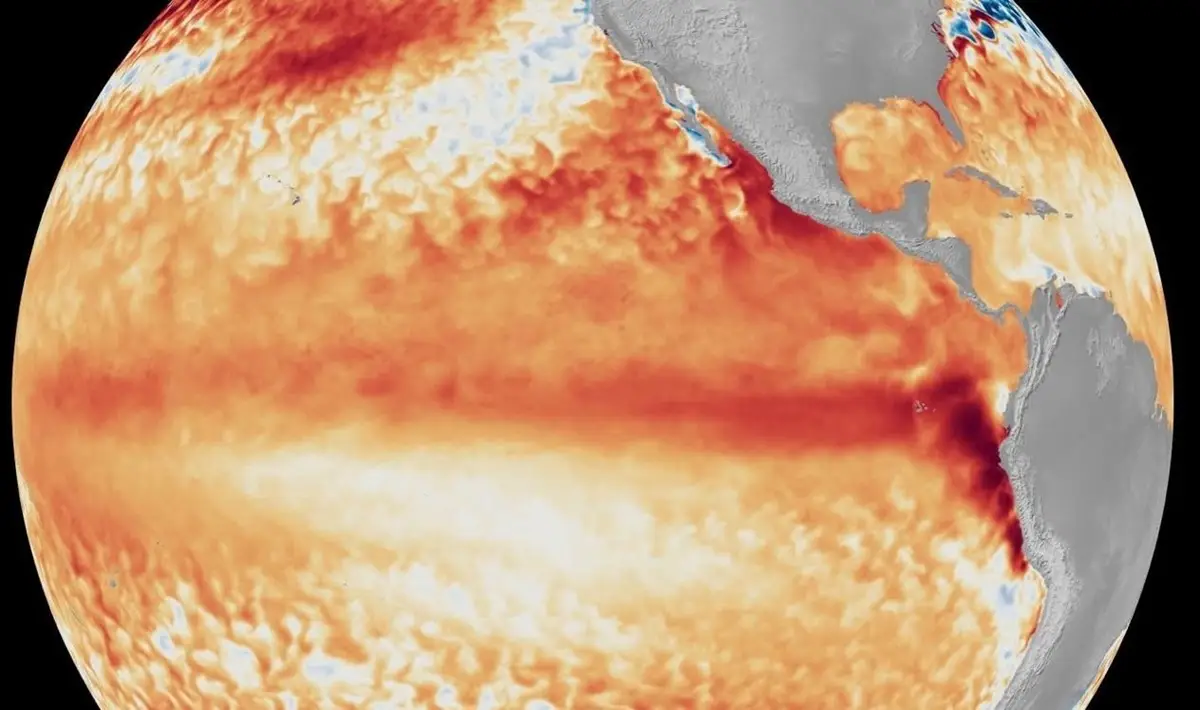
Under normal conditions, the southwest monsoon reaches Kerala around June 1. However, atmospheric factors such as El Niño, La Niña, and variations in Indian Ocean temperatures, including the Indian Ocean Dipole (IOD), can influence the timing.
In some years the monsoon arrives early, while in others it may be delayed. Regardless of the timing, the IMD makes the official declaration only after all scientific criteria are satisfied.
കാർഷിക ഉൽപ്പന്നങ്ങൾക്ക് ന്യായവില ഉറപ്പാക്കാൻ സർക്കാർ ഇടപെടണമെന്ന് കർഷക കോൺഗ്രസ്
കാർഷിക ഉൽപ്പന്നങ്ങൾക്ക് വിപണിയിൽ അർഹമായ വില ലഭിക്കാത്തതും, ഉൽപ്പാദനച്ചെലവ് വർധിച്ചതും കർഷകരെ കടുത്ത പ്രതിസന്ധിയിലാക്കിയിരിക്കുകയാണെന്ന് കോഴിക്കോട് കർഷക കോൺഗ്രസ് ജില്ലാ കമ്മിറ്റി യോഗം വിലയിരുത്തി. വിളവെടുപ്പ് കാലത്ത് ഉൽപ്പന്നങ്ങൾ വിറ്റഴിക്കാൻ സാധിക്കാത്ത സാഹചര്യത്തിൽ സർക്കാർ അടിയന്തരമായി ഇടപെട്ട് വിപണി സൗകര്യങ്ങൾ ഒരുക്കണമെന്ന് യോഗം പ്രമേയത്തിലൂടെ ആവശ്യപ്പെട്ടു.
കർഷകർ ഉൽപ്പാദിപ്പിക്കുന്ന കാർഷിക വിളകൾക്ക് സംഭരണ കേന്ദ്രങ്ങൾ വഴി സർക്കാർ നേരിട്ട് സംഭരണം നടത്തുകയും, തത്സമയം പണം നൽകുന്നതിനുള്ള സംവിധാനം ശക്തിപ്പെടുത്തുകയും വേണം. ഇടനിലക്കാരുടെ ചൂഷണം തടയുന്നതിനായി പഞ്ചായത്ത് തലത്തിൽ കൂടുതൽ കാർഷിക വിപണികൾ തുറക്കുന്നതിനും കർഷകരുടെ ഉൽപന്നങ്ങൾക്ക് ചുരുങ്ങിയത് ഉൽപ്പാദനച്ചെലവിനേക്കാൾ 50 ശതമാനം അധികമെങ്കിലും താങ്ങുവില ഉറപ്പാക്കാനും സർക്കാർ തയറാകണമെന്ന് യോഗം ആവശ്യപ്പെട്ടു.
കാർഷിക മേഖലയിലെ പ്രതിസന്ധി പരിഹരിക്കാൻ സർക്കാർ അടിയന്തരമായി ഉന്നതതല യോഗം വിളിച്ചുചേർക്കണമെന്നും, കർഷകർക്ക് വായ്പ തിരിച്ചടവിന് സാവകാശം നൽകണമെന്നും യോഗം ആവശ്യപ്പെട്ടു.
യോഗം മുൻ ഡി.സി.സി പ്രസിഡൻ്റ് കെ.സി അബു ഉദ്ഘാടനം ചെയ്തു.
കർഷക കോൺഗ്രസ് ജില്ലാ പ്രസിഡൻ്റ് ബിജു കണ്ണന്തറ അധ്യക്ഷത വഹിച്ചു. സംസ്ഥാന ജനറൽ സെക്രട്ടറി എൻ.പി വിജയൻ, കെ.കെ ആലി, രാജൻ ബാബു, സി.എം സദാശിവൻ, അസ്ലം കടമേരി, ദേവസ്യ ചൊള്ളാമടം, കമറുദ്ദീൻ അടിവാരം, ഫാസിൽ മാളിയേക്കൽ, അനന്ദൻ കുനിയിൽ, പട്ടയാട്ട് അബ്ദുള്ള, കെ.വി പ്രസാദ്,വി. ദാമോദരൻ, സുബൈർ കളത്തിൽ, ടി.എൻ അബ്ദുൽനാസർ, പി.എം രാധാകൃഷ്ണൻ, സുജിത് കാറ്റോട്, കെ.സി സജിത്ത്, സുനിൽപ്രകാശ്, റഫീഖ് പുതിയപാലം, സത്യേന്ദ്രൻ എന്നിവർ സംസാരിച്ചു.
English Summary : The Karshaka Congress District Committee has expressed deep concern over the escalating agricultural crisis, citing skyrocketing production costs and the lack of fair market prices for farm produce. In a recently passed resolution, the committee urged the government to take immediate action to support struggling farmers.